
Why Lithium-ion Batteries Fail and How to Make Yours Last Longer
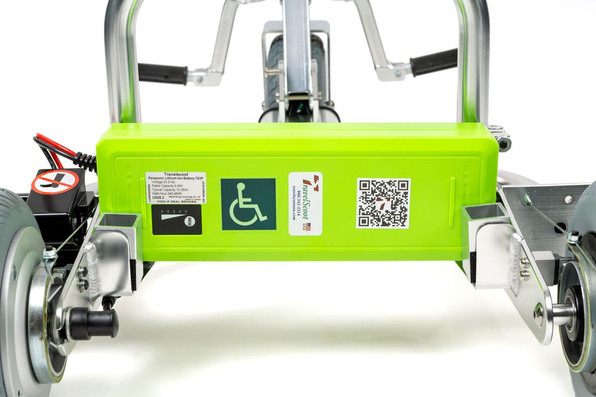
Lithium-Ion Battery Care: How to Extend the Life of Your TravelScoot Battery
Lithium-ion batteries are lightweight, powerful, and dependable, but how they are charged, stored, transported, and maintained can make a significant difference in how long they last.
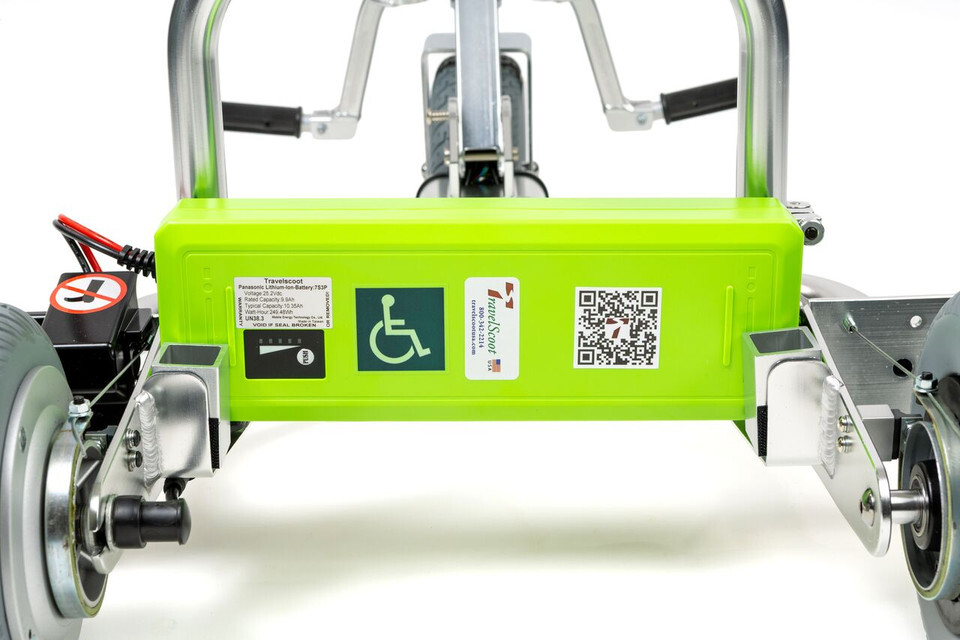
Why We Are Writing About Battery Care
We recently received two older 252Wh lithium-ion batteries from a customer. Both batteries were completely non-functional.
As part of our troubleshooting process, we replaced the fuses and the battery-management circuit boards. These are two components that can sometimes prevent a battery from operating properly. Unfortunately, neither repair brought the batteries back to life.
That result strongly suggested that the lithium-ion cells themselves had deteriorated or become damaged beyond recovery.
Because two batteries from the same customer had experienced a similar failure, we felt this was a good opportunity to explain the most common causes of lithium-ion battery failure and the steps owners can take to help prevent it.
TravelScoot batteries can last anywhere from 7-10 years with proper care. Some of our customer's batteries have lasted up to 14 years! In more than 22 years, we have yet to see a fire-related instance with any of our batteries.
Major Causes of Lithium-Ion Battery Failure
1 Deep Discharge
One of the most common causes of permanent battery damage is allowing the battery to remain discharged for an extended period. Lithium-ion cells continue to lose a small amount of charge during storage. If their voltage falls too low, the cells may no longer be safely recoverable.
2 Long-Term Storage Without Charging
A battery that is put away and forgotten for many months can gradually discharge below its safe operating range. This can happen even when the battery was not completely empty when it was placed into storage.
3 Excessive Heat
Heat accelerates the chemical aging that takes place inside lithium-ion cells. Storing a battery in a hot vehicle, garage, shed, or other high-temperature environment can significantly shorten its useful life or create dangerous conditions.
4 Repeatedly Running the Battery Empty
Frequently riding until the battery reaches complete shutdown places more stress on the cells than recharging earlier. An occasional deep discharge may occur, but it should not become the normal charging routine.
5 Natural Aging
Lithium-ion batteries age with both time and use. Even a battery that is rarely used will gradually lose capacity. Total lifespan depends on age, charging cycles, temperature, storage conditions, and treatment.
6 Cell Imbalance
A battery pack contains multiple groups of cells. As the battery ages, one group may weaken faster than the others. The battery-management system may then shut the pack down to protect it, even though some cells still contain usable energy.
7 Water or Moisture Intrusion
Moisture can corrode electrical connections, damage internal components, and create short circuits. Batteries should be protected from heavy rain, flooding, standing water, and prolonged exposure to damp environments.
8 Drops, Impacts, and Physical Damage
A hard impact can damage internal welds, cell connections, insulation, or the cells themselves. Internal damage may occur even when the battery casing shows little or no visible damage.
9 Using the Wrong Charger
A charger must provide the correct voltage and charging profile for the battery. An incompatible, modified, or low-quality charger may undercharge, overcharge (create thermal runaway), or otherwise place unnecessary stress on the battery.
10 Manufacturing Defects
Manufacturing defects are possible, but they are less common than damage caused by age, heat, deep discharge, storage conditions, or physical treatment. Most manufacturing defects will show up within one-to-two months of use. For this reason, you will often see battery warranties for a duration of six months. However, when multiple batteries used by the same owner fail similarly, a shared storage or usage condition may be involved.
Why replacing the circuit board may not work: The battery-management system can control and protect the battery, but it cannot restore cells that have chemically deteriorated, become severely unbalanced, or remained below a safe voltage for too long.

Battery Care Dos and Don’ts
✓ Battery Care Dos
- Recharge the battery before it is completely empty, preferably after each use.
- Use only the charger supplied or approved for your battery.
- Store the battery in a cool, dry, temperature-controlled location.
- Check and recharge a stored battery periodically.
- Protect the battery from drops, impacts, and crushing forces.
- Keep the battery and its electrical connections clean and dry.
- Charge the battery before an upcoming trip rather than allowing it to sit empty.
- Contact TravelScoot USA when a battery behaves abnormally or will not charge.
× Battery Care Don’ts
- Do not leave the battery fully discharged for weeks or months.
- Do not store it inside a hot vehicle, shed, or unconditioned garage.
- Do not repeatedly operate the scooter until the battery shuts down.
- Do not expose the battery to flooding, heavy moisture, or standing water.
- Do not use an incompatible or improvised charger.
- Do not open, puncture, crush, or attempt to rebuild the battery yourself.
- Do not continue charging a battery that becomes unusually hot, swollen, damaged, or produces an unusual odor.
- Do not assume an unused battery can be stored indefinitely without attention.
How to Store Your Battery
Storage practices are especially important when the scooter will not be used during the winter, during an extended illness, or between major trips.
Do not store the battery completely empty. Before putting it away, confirm that it has a partial charge. Check it periodically because all batteries experience some degree of self-discharge over time.
What to Do When a Battery Will Not Work
A non-functional battery does not automatically mean the internal cells have failed. A technician may also evaluate the charger, fuse, wiring, connectors, battery-management system, total pack voltage, and the voltage of the individual cell groups.
However, when the external components have been ruled out and the battery still will not charge or provide power, deteriorated cells are often the underlying cause. Cells that have remained deeply discharged or become seriously damaged generally cannot be restored by replacing the fuse or circuit board.
Never attempt to open or repair a lithium-ion battery unless you have the necessary training, tools, and safety procedures. A damaged battery can present electrical, chemical, and fire hazards.
Explore Popular Articles

Why Lithium-ion Batteries Fail and How to Make Yours Last Longer
TravelScoot Battery Care Lithium-Ion Battery Care: How to Extend the Life of Your TravelScoot Bat...

Cruise Alaska with TravelScoot in 2027
A special TravelScoot experience If Alaska has been on your bucket list, join us for a seven-night...

Mobility Scooter Warranties: What They’re Worth—and Why TravelScoot Leads the Industry
When investing in a mobility scooter, the warranty behind the product is often just as important as...

Tricks and Tips for Shipping Your Mobility Scooter with TravelScoot USA
Shipping anything these days can feel like a wallet-draining experience—but when it comes to shippin...